Introduction
If you're over 40 and finding that you tire more easily, feel sluggish after meals, or notice your digestion isn't what it used to be, you're not alone. Many adults in this stage of life experience a decline in metabolic function that creates a cascade of health challenges. Sluggish metabolism digestion energy problems often go hand in hand, and understanding the connection between them is the first step toward reclaiming your vitality. Your metabolism—the rate at which your body converts food into fuel—naturally slows with age. But this slowdown doesn't just affect your waistline; it fundamentally impacts how efficiently your digestive system works and how much energy you have throughout the day. This article explores the science behind metabolic decline, its effects on digestion and energy, and practical strategies to support your body's natural functions.
Understanding Metabolic Slowdown and Its Connection to Digestion
Metabolism refers to all the chemical processes that occur in your body to maintain life—breathing, circulation, cell production, and nutrient processing. As you age, your basal metabolic rate (BMR), which is the number of calories your body burns at rest, naturally decreases. Research published in the American Journal of Clinical Nutrition indicates that metabolic rate declines approximately 2–8% per decade after age 30, with the decline accelerating after 60.
This slowdown has multiple causes. First, muscle mass naturally decreases with age—a process called sarcopenia. Since muscle tissue is more metabolically active than fat tissue, losing muscle means your body burns fewer calories and requires more effort to process nutrients. Second, hormonal changes play a significant role. Declining levels of thyroid hormones, growth hormone, and sex hormones all contribute to reduced metabolic function. Third, mitochondrial function—the powerhouses of your cells—becomes less efficient over time, reducing your body's ability to generate energy from food.
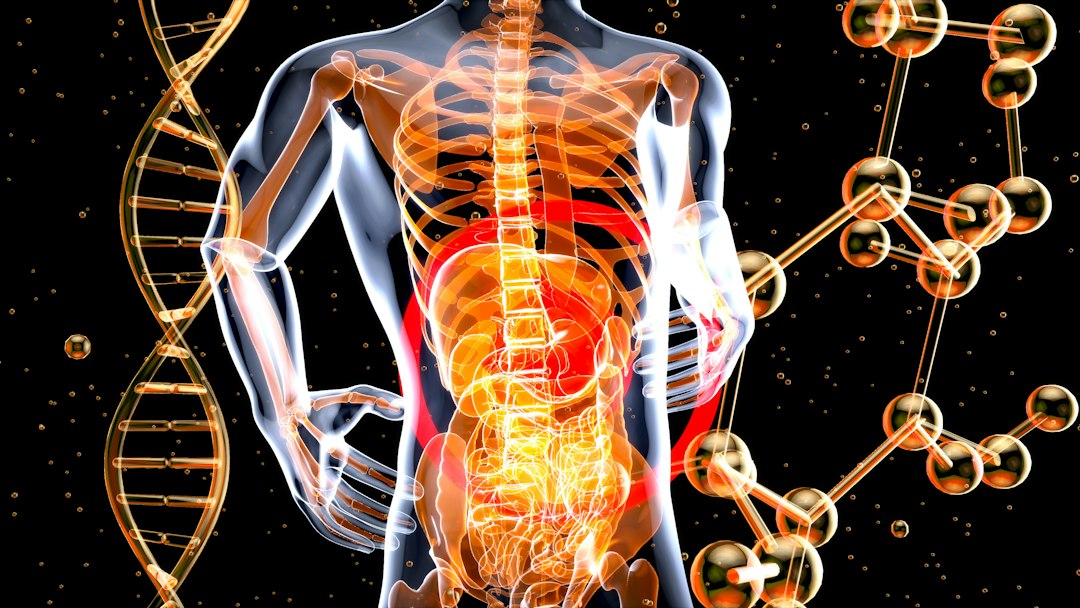
These changes directly affect digestion. When your metabolism slows, your digestive system also operates more slowly. Stomach acid production may decrease, reducing your ability to break down proteins effectively. Gastric motility—the muscular contractions that move food through your digestive tract—becomes less coordinated. The result is slower nutrient absorption, increased bloating, constipation, and a general feeling of heaviness after eating. This sluggish metabolism digestion connection explains why many people over 40 report that foods they once ate without issue now cause discomfort.
Signs and Symptoms of Sluggish Metabolism and Poor Digestion
Recognizing the signs of slowed metabolic function can help you take action early. The symptoms often overlap with digestive complaints, making it easy to misdiagnose the root cause. Common indicators include persistent fatigue despite adequate sleep, weight gain particularly around the midsection even without dietary changes, difficulty losing weight, and reduced muscle tone. Your energy levels may feel consistently low, with an afternoon crash becoming the norm rather than the exception.
On the digestive front, watch for bloating after meals, especially after eating protein or larger portions. Many people report a feeling of food sitting in their stomach for hours. Constipation is particularly common, as slower digestive transit time means food spends more time in the colon. Acid reflux or heartburn may increase, partly because reduced stomach acid paradoxically causes your body to compensate. Some experience nutrient deficiencies despite eating well, because their slowed digestive system simply cannot extract and absorb nutrients efficiently.
Other signals include brain fog or difficulty concentrating—a direct result of reduced energy availability to the central nervous system. Mood changes, particularly depression or anxiety, often correlate with metabolic slowdown because energy production in the brain depends on efficient metabolism. Temperature regulation problems, such as feeling cold easily, indicate your body is burning fewer calories and generating less heat. Hair thinning, dry skin, and brittle nails may also appear, reflecting reduced nutrient absorption and slower cellular renewal rates. If you experience several of these symptoms together, particularly alongside sluggish metabolism digestion energy complaints, it's worth discussing with your healthcare provider.
The Impact on Daily Life and Quality of Living
The combined effect of sluggish metabolism and poor digestion creates a significant quality-of-life impact that extends far beyond physical discomfort. Many adults report that their social life changes—they avoid eating out because they're uncertain how their body will respond to unfamiliar foods. Work productivity often declines as afternoon energy crashes become predictable. The constant battle with bloating and digestive discomfort creates a background anxiety around eating itself.
Exercise becomes complicated. With lower energy levels, motivation to stay active decreases, yet reduced activity further slows metabolism—creating a difficult cycle. The sluggish metabolism digestion energy problem perpetuates itself: less energy leads to less movement, which leads to slower metabolism, which produces even less energy. Meanwhile, the inability to digest food efficiently means that nutritional support for exercise recovery is compromised, extending recovery time and discouraging consistent activity.
Mental health often suffers as well. Chronic fatigue and the frustration of unexplained weight gain or inability to lose weight take an emotional toll. Many people feel they've "lost control" of their body. The social stigma around body weight, combined with digestive issues that create embarrassment, can lead to social withdrawal. Understanding that these changes are a natural part of aging—and that they can be managed—is crucial for maintaining psychological well-being during this life stage.
Natural Approaches and Lifestyle Modifications
While you cannot stop the aging process, you can significantly influence your metabolic rate and digestive function through intentional lifestyle choices. The most impactful change is building and maintaining muscle mass through resistance training. A 2022 study in Nutrients found that individuals over 50 who engaged in twice-weekly resistance exercise maintained muscle mass and showed improved metabolic markers. Muscle tissue demands energy constantly, even at rest, so preserving muscle directly combats metabolic slowdown.
Cardiovascular exercise also matters, but combine it with strength work for best results. Aim for at least 150 minutes of moderate activity weekly, but prioritize weight training or bodyweight exercises. Beyond exercise, sleep quality dramatically affects metabolism. Poor sleep disrupts hormones like cortisol and leptin, further slowing your metabolic rate. Aim for 7–9 hours nightly and maintain a consistent sleep schedule.
Stress management is equally important. Chronic stress elevates cortisol, which signals your body to slow metabolism and store fat. Practice meditation, deep breathing, or gentle yoga—all evidence-based approaches to reducing stress. Hydration also plays a role; dehydration can slow metabolism by up to 3%, according to research in the Journal of Clinical Endocrinology and Metabolism. Drinking adequate water supports both digestion and energy production.
Finally, eat mindfully. Chew thoroughly—digestion literally begins in your mouth with enzymes in saliva. Eating slowly allows your brain time to register fullness signals. Smaller, more frequent meals may help if your stomach feels overwhelmed by large portions. Avoid eating late at night when your body's digestive capacity is lowest, and give yourself at least three hours between your final meal and bedtime.
Nutrient Deficiencies and Dietary Support
When metabolism slows and digestion becomes sluggish, certain nutrient deficiencies become more likely. B vitamins are particularly important because they are essential cofactors in energy production. B12, B6, and folate deficiency are common in older adults, partly because reduced stomach acid impairs their absorption. A 2021 study in Nutrients highlighted that nearly 20% of adults over 50 have inadequate B12 levels, which directly contributes to fatigue and digestive issues.
Iron is another critical nutrient, especially for women who have passed menopause (though this is often overlooked). Iron is essential for oxygen transport and energy production. Reduced stomach acid from a sluggish digestive system makes iron absorption more difficult, creating a potential deficiency even if intake is adequate. Zinc supports immune function and digestion itself—it's needed for stomach acid production and protein digestion.
Magnesium deserves special attention. This mineral supports muscle function, energy production, and healthy digestion. Many people are deficient, and magnesium supplementation has been shown to improve digestive motility and energy levels. This is why many adults turn to targeted digestive support formulas—one such option incorporates key B vitamins and minerals specifically selected for metabolic and digestive support, combining these nutrients in one convenient supplement.
Dietary approaches matter too. Prioritize protein-rich foods at each meal to support muscle maintenance and satiety. Include foods with natural digestive enzymes like pineapple, papaya, and fermented foods such as sauerkraut and kimchi. Soluble fiber from oats, legumes, and apples supports healthy digestion and stable energy. Healthy fats from avocados, nuts, and fish support nutrient absorption and hormone production. Aim for variety and whole foods rather than processed options, which require less digestive effort but provide fewer nutrients.
Frequently Asked Questions
Q: Can a sluggish metabolism be reversed?
A: While you cannot completely reverse age-related metabolic decline, you can significantly slow it and even improve your metabolic rate by 10–25% through regular resistance training and adequate protein intake. Building muscle tissue is the most direct approach to increasing your resting metabolic rate, making a noticeable difference in energy levels and digestion over 8–12 weeks of consistent effort.
Q: How long does it take to notice improvements in energy and digestion?
A: This varies individually, but most people notice improved digestion within 2–3 weeks of lifestyle changes like better hydration, mindful eating, and stress reduction. Energy improvements often take 4–6 weeks as your body begins to rebuild muscle mass and your digestive system becomes more efficient. Consistency matters more than perfection.
Q: Is sluggish metabolism digestion energy decline inevitable after 40?
A: Decline is normal, but severity varies dramatically. People who maintain active lifestyles, manage stress, sleep well, and eat nutrient-dense diets experience much slower metabolic decline than sedentary individuals. You have substantial control over how quickly these processes slow, even if you cannot stop them entirely.
If you're dealing with persistent sluggish metabolism digestion energy challenges that aren't responding to basic lifestyle changes, it may be worth exploring nutritional support. Learn more about how targeted supplementation with key vitamins and minerals can complement your diet and lifestyle efforts to support metabolic and digestive function. Understanding your options is the first step toward reclaiming your vitality.
Related Reading
Metabolic Slowdown and Weight Loss in Middle Age: What You Need to Know
Natural Energy Support: Managing Midlife Fatigue the Right Way